NIST Cybersecurity Framework 2.0
A free framework, voluntary for most organisations, for governing, identifying and reducing cyber risk. Version 2.0 (February 2024) added a sixth function, Govern.
Connecting carriers, warehouse operators, cold-chain specialists and cyber professionals to protect the infrastructure linking the food ecosystem.
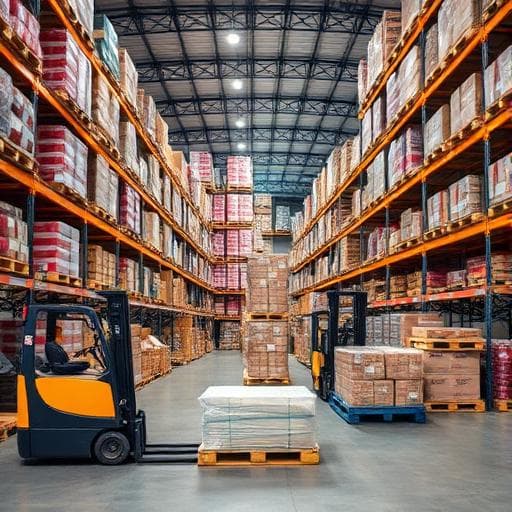
Transportation, warehousing and cold-chain platforms connect every part of food supply. The hub focuses on continuity across highly integrated physical and digital operations.
Timely, food-sector context on emerging threats and defensive priorities.
Small, trusted conversations between operators, practitioners and partners.
Scenario-led sessions for testing decisions before a real incident.
Focused collaboration on common controls, dependencies and good practice.
Peer discussions designed for boards and operational leadership.
Useful outputs shaped by the people responsible for food operations.
Digital systems now sit inside the processes that keep products safe, production moving and customers supplied.
Compromised conveyors, robotics or management systems can stop fulfilment at scale.
Connected vehicles and transport systems expose location and delivery operations.
One logistics incident can cascade across many producers, retailers and customers.
The frameworks organisations build on, and the rules worth knowing where they operate.
A free framework, voluntary for most organisations, for governing, identifying and reducing cyber risk. Version 2.0 (February 2024) added a sixth function, Govern.
The international standard for an information security management system. Organisations can be certified against it by an accredited certification body.
A series of standards for securing industrial automation and control systems — the operational technology that runs plants, farms and warehouses.
Why it matters
Helps secure connected production equipment without compromising availability.
Read moreShippers, loaders, carriers and receivers moving food by road or rail in the US must keep it safe — including temperature control where needed — with written procedures and records.
Why it matters
Temperature telemetry and cold-chain records are part of compliance, so lost or tampered data is a food-safety problem as well as an IT one.
Read moreThe EU's cybersecurity directive, applied through each country's own law, covers food businesses engaged in wholesale distribution and industrial production and processing — generally medium-sized and large ones.
Why it matters
Check how your country applies it: food wholesale distribution can be in scope, while pure transport and storage services generally are not.
Read moreAustralia's critical-infrastructure law lists food and grocery as a critical sector; the major supermarket and grocery-wholesale networks must register, report cyber incidents and maintain a risk-management programme.
Why it matters
Large freight operators moving groceries for those networks can themselves be critical infrastructure under the transport sector.
Read moreA starting point, not legal advice — which rules apply depends on where and how your organisation operates.
Bringing the right disciplines to the same table — from operators and producers to security practitioners and technology partners.
Be one of the first members of this hub — applications are open.
Member companies CSAFI adds to this hub will appear here.

Price: Free
 Northbay Harvest Foods
Price: Free
 CSAFI
Join the people strengthening cybersecurity across the food ecosystem — before the next disruption tests us.